The contract is signed. The real work starts now and most companies are not ready.
In many organisations, procurement teams treat contract signature as the end of the journey. The deal is closed, stakeholders move on, and attention shifts to the next sourcing initiative.
However, this approach ignores a critical truth: most contract value is created or destroyed after the contract is signed.
Without a structured post award contract management model, organisations expose themselves to value leakage, operational risk, and loss of control during execution. What was carefully negotiated in the pre‑award phase often erodes quietly once delivery begins.
The Myth of the Contract as a Finish Line in Procurement
Traditional procurement models are heavily weighted toward the pre‑award phase:
- supplier selection
- negotiation strategy
- pricing and risk allocation
Once the contract is executed, responsibilities fragment. Procurement steps back. Legal disengagement. Operations focus on delivery, often without a clear view of contractual constraints.
As a result, the contract becomes a static document instead of a governance tool guiding decisions, behaviours, and accountability throughout execution.
This disconnect explains why so many organisations experience value loss after signature, not before.
The Five Post‑Award Activities Companies Consistently Neglect
1. Obligation Monitoring: Who Owns What Is Due?
Contracts define obligations, milestones, service levels, and rights. Yet in practice:
- obligations are not assigned to owners
- deadlines are tracked informally
- enforcement happens too late
- Things are tracked on other tools or even on many excel sheets
Effective post award contract management requires clear obligation ownership and visibility across procurement, legal, and operations. Otherwise, contractual rights expire silently and risks remain hidden.
2. Change Management: Variations Without Discipline
Change is inevitable. Uncontrolled change is not.
When variations are handled:
- via emails or calls
- without commercial impact analysis
- outside formal governance
organisations lose cost control and negotiation leverage. Over time, scope creep becomes margin erosion.
Structured change management ensures every modification is assessed, approved, and aligned with the original contract intent.
3. Performance Review: KPIs That Drive Action
Many contracts include KPIs. Few link them to real decisions.
If performance indicators do not trigger corrective actions, incentives, penalties, or escalation, they are merely reporting tools.
Post‑award procurement connects KPIs directly to governance mechanisms, keeping suppliers aligned and accountable.
4. Commercial Governance Between Procurement and Operations
After signature, procurement often disengages while operations prioritise continuity. This creates a gap where:
- commercial levers are unused
- supplier behaviour drifts
- risk accumulates quietly
High‑performing organisations maintain procurement involvement throughout execution to protect value and manage supplier performance proactively.
5. Contract Close‑Out: The Forgotten Phase
Formal contract close‑out is rarely completed. Common consequences include:
- unresolved final obligations
- missing documentation
- lost lessons learned
Close‑out is not administrative work. It is risk management and knowledge capture. Skipping it guarantees repeated mistakes in future contracts.
Responsibility Matrix: Who Owns Post‑Award Outcomes?
Post‑award failure usually stems from unclear ownership. A resilient model defines roles explicitly:
- Business: performance and processes monitoring
- Legal: contract interpretation and formal amendments
- Procurement: commercial value, supplier performance, change economics
- Operations: delivery execution and coordination
- Finance: payments, cost control, value leakage detection
If ownership is implicit, execution gaps are inevitable.
The Cost of Inaction: Why Post‑Award Neglect Is Expensive
According to authoritative industry research from
👉 https://www.worldcc.com/Resources/Research
organisations lose up to 11% of contract value after signature, primarily due to weak post‑award governance.
This loss is not accidental. It comes from:
- missed obligations
- unmanaged change
- ineffective performance management
- lack of post‑contract discipline
Contracts exist — but control does not.
Increasingly, organisations are looking at AI‑orchestrated CLM platforms to bring structure and accountability into post‑award execution. Adding AI without control often creates more issues than it actually solves.
That’s why AI must operate within clear, structured guardrails.
We define those guardrails directly in the contracts themselves, turning agreements into the source of truth that steers AI behavior.
Contracts are not documents. They are programmable guardrails for Automation, Compliance, and Execution.
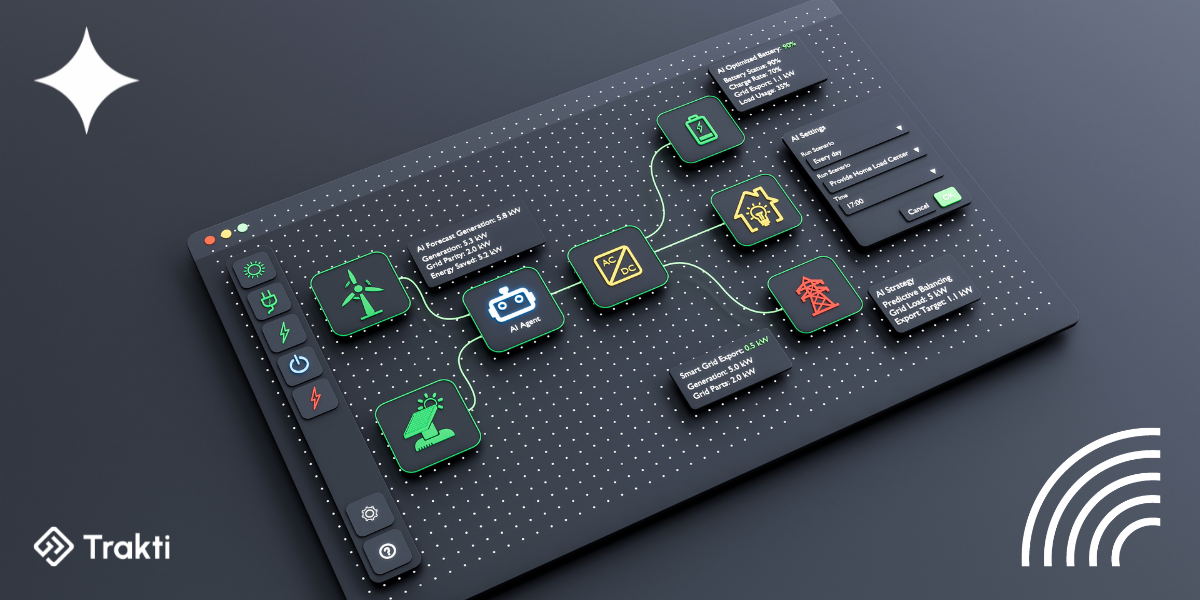
Platforms such as Trakti, for example, approach post award contract management as an event‑driven workflow, where obligations, changes, approvals and performance signals are tracked automatically through an auditable lifecycle.
This allows procurement, legal and operations to operate on a shared contract logic, rather than disconnected documents, emails and spreadsheets, meanwhile AI powers enhance intelligent modelling, structured data enrichment, variables and clause extraction, speeding up compliance, insights, anddecision-making. This is what we call Orchestration trough smart automation.
Post‑award procurement includes all governance activities after contract signature, such as obligation tracking, performance review, change management, and contract close‑out.
Because most contract value is realised during execution. Weak post‑award governance leads to value leakage and increased risk.
Ownership is shared across procurement, legal, operations, and finance, with procurement retaining responsibility for value protection.
Untracked obligations, unmanaged changes, ineffective KPIs, and missing contract close‑out are the main causes.
By implementing structured governance, clear ownership, obligation visibility, and performance‑driven decision frameworks.
Explore this with us in Berlin, The contract is signed. What happens next makes the difference.
At the World Commerce & Contracting EMEA Summit in Berlin, we will explore how organisations are redesigning post award contract management to eliminate value leakage and turn contracts into operational decision systems.
Or book a Demo with our team